
Family Digital Wellness: Sharenting & Safety Concerns
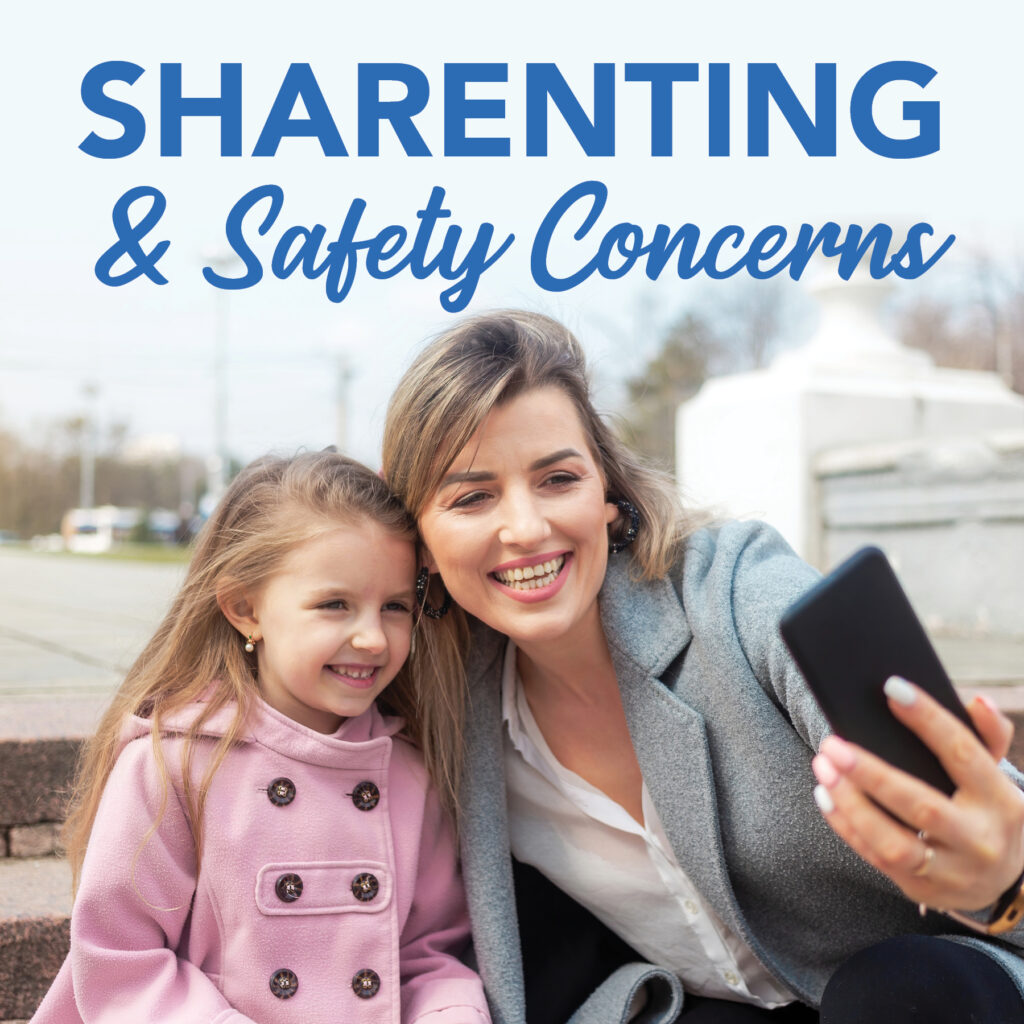
As parents, we want to celebrate our children. Their first steps, their first day of school and the silly faces they make at dinner are all moments that make parenting worth every sleepless night. Naturally, we want to share these moments with our family, friends and communities, and social media gives us that opportunity in an instant.
But there’s a growing trend that deserves our attention, and it has a name: sharenting.
Sharenting is the practice of parents sharing photos, videos, and stories about their children online. It might be a back-to-school photo with the teacher’s name on a sign, a video from a birthday party, or a heartfelt post about a tough parenting moment. These posts feel harmless, and there is usually only good intentions behind each post. But the impact can be more significant than many of us realize.
A Digital Footprint They Didn’t Choose
According to a report by the Children’s Commissioner for England, by the time a child turns thirteen, the average parent has posted nearly 1,300 photos and videos of them on social media. Before a child is old enough to decide for themselves what they want the world to know about them, more than a thousand public or semi-public images already exist in digital spaces.
Those images carry more information than we might think. A school uniform reveals where a child attends school. A geotagged photo shares their location. A consistent posting routine can establish patterns about where a family goes and when. This is a digital profile that a child never consented to, and it is one that lives on the internet permanently.
The Risks Are Real
The images and information parents share online can be exploited by bad actors in alarming ways. Advances in artificial intelligence have made it possible to create deepfake images and AI-generated child sexual abuse material (CSAM) from ordinary family photos. Predators can also use the personal details found in social media posts to target children through direct communication, manipulation, or sextortion (a growing form of online extortion in which offenders threaten to share intimate or manipulated images unless a child complies with their demands).
These aren’t distant, unlikely scenarios. They are happening now, across the country and right here in Pennsylvania.
What Can Parents Do?
The goal is not to shame any parent for posting a proud moment. It is to help families think critically about what they share and how. Here are a few steps to consider:
Pause before you post. Ask yourself whether the image or story reveals identifying details like your child’s school, full name, location, or daily routine.
Review your privacy settings regularly. Know who can see your posts and understand that even “private” content can be screenshotted and shared.
Avoid posting photos of children in swimsuits, bath time, or other vulnerable moments. Think about consent. As your children grow, involve them in decisions about what gets shared online. They deserve a voice in their own digital story.
It Takes All of Us
Sharenting is not about bad parenting. It is about evolving our habits to match the realities of the world our children are growing up in. The love behind the post is never in question. But the safety of our children must always come first.
Visit our Family Digital Wellness hub to explore free resources and start your family’s journey toward digital wellness today.

Leave a Reply
You must be logged in to post a comment.